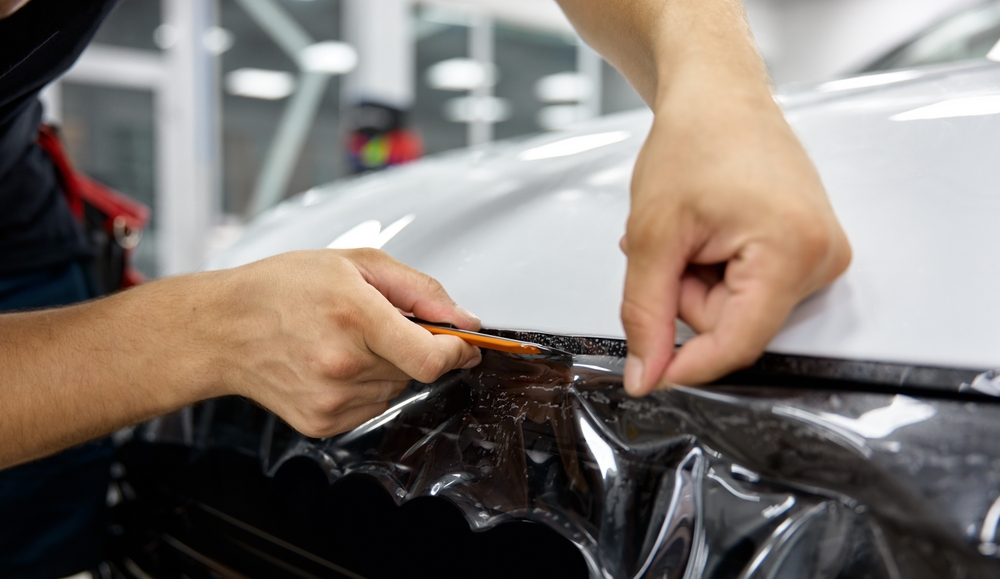
A truck is a heavy-duty workhorse. Whether it is a commercial rig or a personal vehicle, a vinyl wrap is an excellent way to shield the factory paint from UV rays and road debris. However, even the highest quality wraps have a lifespan, typically five to seven years.
Eventually, harsh environmental exposure causes the vinyl to fade, crack, or become brittle. When that happens, knowing how to remove the old vinyl wrap safely is essential to maintaining your truck’s professional appearance and preparing it for its next look.
While many owners attempt this as a DIY project, taking off old vinyl demands a patient, systematic approach. Pulling the material too quickly or without the right technique causes it to snap into thousands of tiny, frustrating pieces. This is why many fleet owners turn to Ryan Taylor Graphics to handle the physical labor and chemical breakdown professionally, saving hours of shop downtime. With the right tools, knowledge, and a bit of patience, a flawless removal can be achieved without harming the clear coat underneath.
Evaluating Your Wrap’s Condition
Before grabbing a corner and pulling, the current state of the film must be assessed. The wrap’s age and how the truck was stored heavily dictate how the material will behave during extraction.
The Impact of Sun and Climate
Sun exposure is the biggest variable in wrap removal. Vehicles parked outdoors for years suffer severe UV degradation, particularly on horizontal panels like the hood and roof. The sun effectively bakes the plasticizers out of the vinyl over time, making it incredibly brittle.
- Dry, desert climates leave the film prone to cracking and tearing.
- High-humidity regions can cause moisture to seep under failing edges, leading to a different type of bond degradation and potentially stubborn adhesive transfer.
Check the Edges
Inspect the edges and seams for lifting, dirt ingress, or crystallization. If the vinyl feels like hard plastic rather than pliable film, it is a degraded wrap requiring consistent, controlled heat. At Ryan Taylor Graphics, our professional wrap removal services begin with this exact evaluation to determine whether a standard heat pull or advanced chemical softening is required for your specific vehicle. Premium wraps use high-quality adhesives designed to release cleanly under the right temperatures, whereas budget films are much more likely to leave a heavy, sticky residue behind.
Essential Tools for Safe Wrap Removal
To protect your truck’s factory paint when removing the vehicle graphic in Doylestown, the correct equipment must be utilized. Avoid the temptation to improvise with household tools.
- Professional Heat Gun or Propane Torch: Used to soften the vinyl and the underlying adhesive. A heat gun is highly recommended for beginners due to better temperature control.
- Plastic Razor Blades / Scrapers: Crucial for lifting stubborn edges.
- Premium Adhesive Remover: Specialized chemical solvents (like Rapid Remover) break down leftover glue without eating into the clear coat.
- Isopropyl Alcohol (70% or higher): For a final wipe-down to strip away chemical residue.
- Microfiber Towels: Multiple clean towels to wipe away dissolved adhesive.
Our commercial facility at Ryan Taylor Graphics utilizes industrial-grade heating systems and rapid-release agents to strip large commercial trucks safely, mitigating the risk of paint damage.
Preparing Your Workspace
Proper preparation makes for a smooth, efficient workflow and protects your truck’s paint from micro-scratches.
- Wash the Truck Thoroughly: Remove all dirt, road grime, salt, and tree sap. Pulling vinyl over a dirty surface can trap abrasive particles between the film and your hands, scratching the paint as you work.
- Move Indoors: If possible, work inside a clean, well-lit garage or shop. While working in direct sunlight can help warm the panels, ambient outdoor conditions are unpredictable. Extreme cold makes the film break, while excessive mid-day heat makes the vinyl stretch and snap prematurely.
- Provide Ventilation: Because you will be using chemical adhesive removers, a well-ventilated space is vital for safety.
The Step-by-Step Removal Process
Step 1: Apply Heat Systematically
Hold your heat gun roughly 6 inches away from the panel, moving it constantly in a sweeping motion. The goal is to warm the vinyl to a surface temperature of approximately 120°F (49°C). It should feel warm and pliable to the touch, not blistering hot. Scorching the vinyl will cause it to melt or tear.
Step 2: Lift the Edges Gently
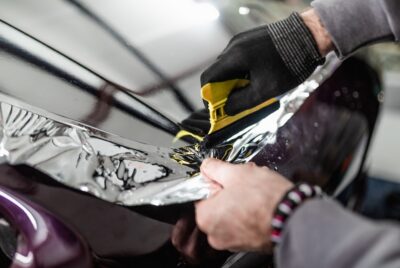
Use your plastic razor blade to carefully pry up a starting corner or edge. Work slowly around body lines, rivets, and complex curves to keep the vinyl piece as whole as possible.
Step 3: Pull at a Steep Angle
Do not pull the wrap straight up at a 90-degree angle, as this increases the risk of leaving all the glue behind or pulling the paint. Instead, pull the vinyl back against itself at a sharp 45-degree angle. Maintain a slow, steady tension. If the material tightens up or resists, pause and reapply heat.
Managing Stubborn Adhesive Residue
Even with flawless heating techniques, an old wrap will almost certainly leave some adhesive residue behind, especially on the hood and roof.
HOW TO TACKLE ADHESIVE RESIDUE:
1. Spray the specialized adhesive remover generously.
2. Let it dwell for 2–3 minutes to break the bond.
3. Use a plastic scraper to gather the softened glue.
4. Wipe clean with a fresh microfiber towel.
Once the bulk of the glue is gone, mist the entire panel with isopropyl alcohol and wipe it dry. This neutralizes the active ingredients in the adhesive remover, leaving you with a perfectly clean, bare clear coat. For heavily baked-on commercial adhesives, outsourcing to the pro team at Ryan Taylor Graphics eliminates the exhausting physical labor of dissolving and scraping old adhesive.
Complications with Specialty Films
Not all wraps behave the same way during removal. The composition of the film alters the labor required:
- Metallic and Chrome Films: These films tend to become exceptionally brittle. The metallic flakes embedded in the PVC alter the film’s structural integrity, causing it to tear into tiny fragments far easier than standard gloss or matte films.
- Textured Films (Carbon Fiber / Brushed Metal): These materials are typically thicker and multi-layered. They require slightly more consistent, deeper heat penetration to soften the adhesive layer underneath.
- Neglected Commercial Graphics: If a vehicle was frequently run through automated brush car washes, the harsh nylon bristles and aggressive chemicals may have micro-scratched the vinyl. This speeds up its degradation and makes future removal significantly harder.
Frequently Asked Questions
Will removing the wrap damage my factory paint?
If your truck features its original, factory-applied paint, a properly executed wrap removal using heat will not cause damage. However, if the truck has undergone aftermarket bodywork or cheap respray, the adhesive bond may be stronger than the paint-to-metal bond, risking clear coat peeling. Trusting Ryan Taylor Graphics to remove your wrap professionally provides peace of mind, as our experienced installers know exactly how to manage sensitive or aftermarket paint finishes.
Can I install a new wrap or Paint Protection Film (PPF) immediately after?
Yes, but surface decontamination is paramount. Any microscopic trace of adhesive remover or leftover glue will prevent a new wrap or PPF from adhering correctly, resulting in premature lifting and unsightly air bubbles. The surface must be meticulously prepped with alcohol or a dedicated pre-wrap cleaner.
How long does a full truck removal take?
For a standard full-size pickup truck with a moderately degraded wrap, expect to invest roughly 8-10 hours of focused labor to completely remove the film and clean the adhesive residue.
Let Ryan Taylor Graphics Remove Your Wrap
Removing a degraded vinyl wrap is all about patience, the right chemicals, and controlled heat. While it requires a solid investment of time and physical effort, taking it slow preserves your truck’s underlying paint finish, protecting both your vehicle’s resale value and your brand’s professional image on the road.
Whether you are stripping an old commercial look to prepare your fleet for a rebrand, or getting a personal truck ready for a fresh color change, starting with a pristine, bare surface is the secret to an elite finish. If you want to skip the tedious scraping and potential chemical mess, let our team handle it from start to finish.
Are you ready for your truck’s next evolution? Contact Ryan Taylor Graphics today to professionally remove your old wrap, and design, print, and install your next premium look.